
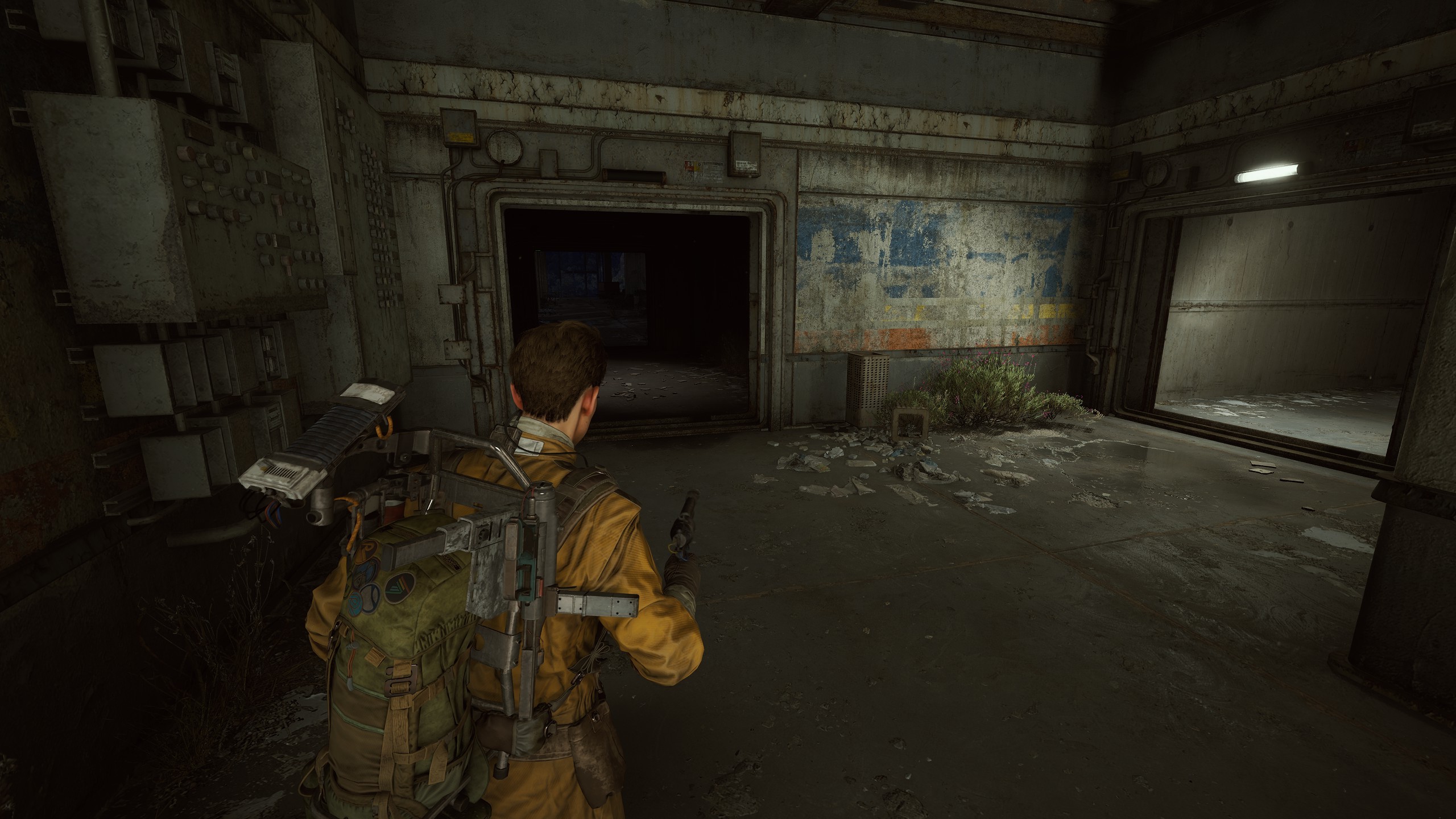
Late extraction panic in Arc Raiders undermines decision making at the exact moment clarity matters most. After surviving prolonged pressure, players arrive near extraction mentally fatigued and emotionally invested.
This combination narrows focus, accelerates choices, and turns manageable situations into sudden collapse. Survival improves when late-game urgency is recognized as a condition to manage rather than an impulse to follow.
Why Panic Peaks Near the End
The end of a raid concentrates stakes. Time invested, resources carried, and proximity to success amplify fear of loss. Players feel compelled to finish quickly, assuming speed equals safety. This assumption shortens evaluation windows and suppresses reassessment.
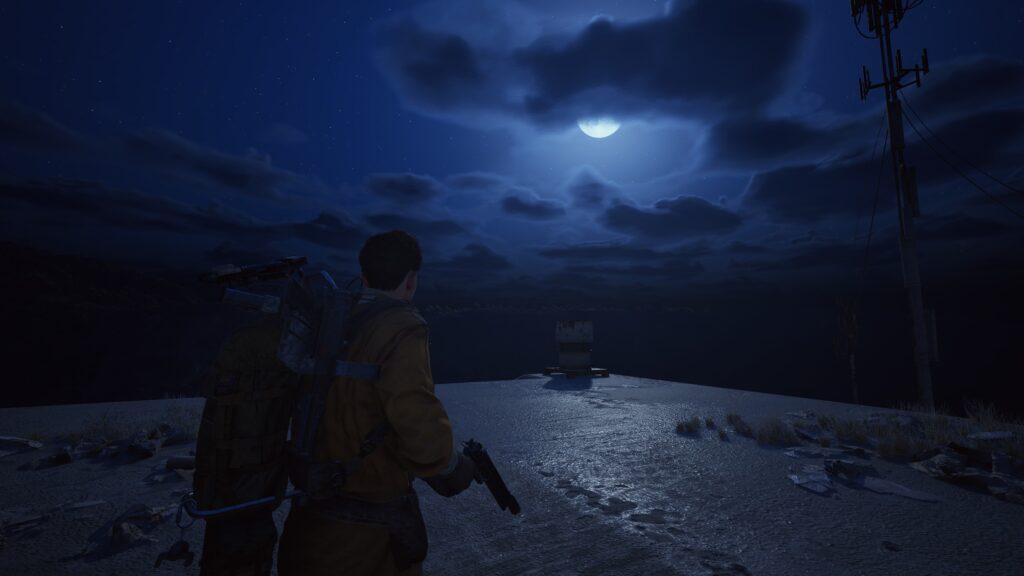
Survivors recognize that panic peaks near extraction and deliberately counter it by slowing pace instead of accelerating it.
Decision Compression Under Urgency
Panic compresses decisions. Movement, scanning, and engagement choices blend into a single rushed action. Players cross open ground without checks, ignore audio shifts, or commit to routes without exits.
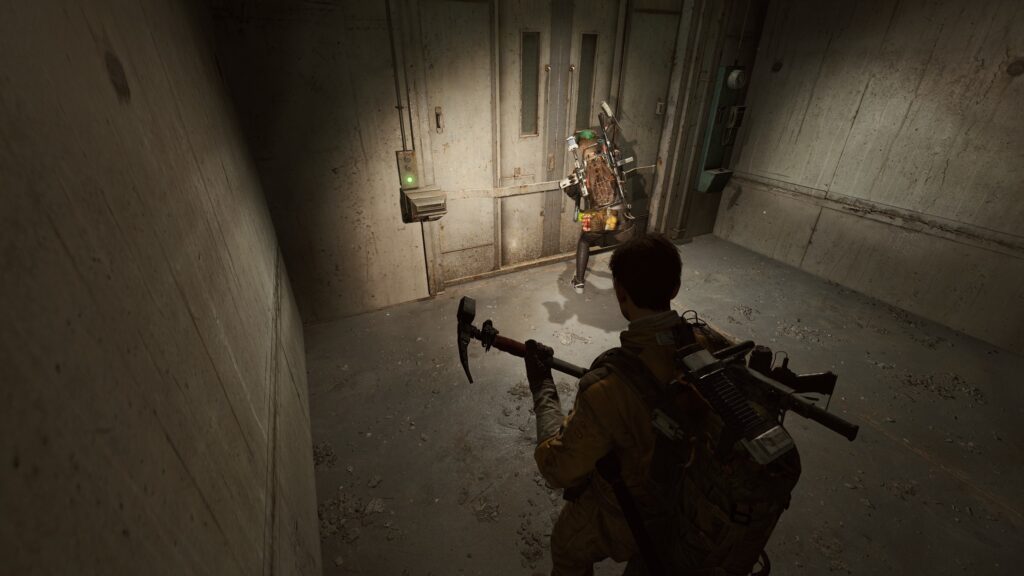
Survivors separate actions again—move, stop, listen, then proceed. This re-expansion of decision space restores control during the most volatile phase.
False Safety After Long Survival
Long survival creates false confidence. Players assume that if they made it this far, the rest should be easy. This mindset reduces vigilance exactly when attention from enemies and third parties is highest. Survivors treat late survival as a warning sign rather than validation, knowing that pressure accumulates toward extraction rather than dissipates.
Panic-Driven Errors at Extraction
Certain reactions repeatedly undermine late extractions.
- Rushing the final approach without sound checks
- Locking into a single route despite changing conditions
- Engaging threats to “clear the way” unnecessarily
- Ignoring escape options once extraction is visible
These errors replace assessment with urgency.
Why Slowing Down Restores Judgment
Slowing down interrupts panic loops. Brief pauses allow players to reassess sound layers, spacing, and threat direction.
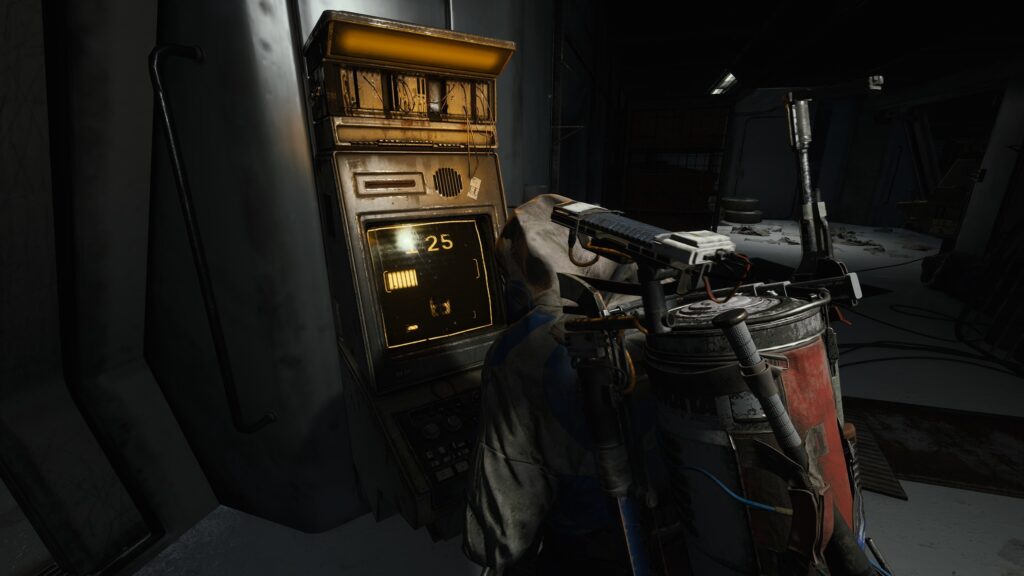
Survivors accept minor delays to preserve clean exits. Control returns when urgency is treated as a signal to reduce speed rather than increase it.
Conclusion
Late extraction panic in Arc Raiders compromises decision making when discipline is needed most.
Players who recognize urgency as a risk factor regain control by slowing pace and separating actions. Survival improves when extraction is approached with restraint instead of relief. The final moments demand the same caution as the first step into danger.




Leave a Reply