
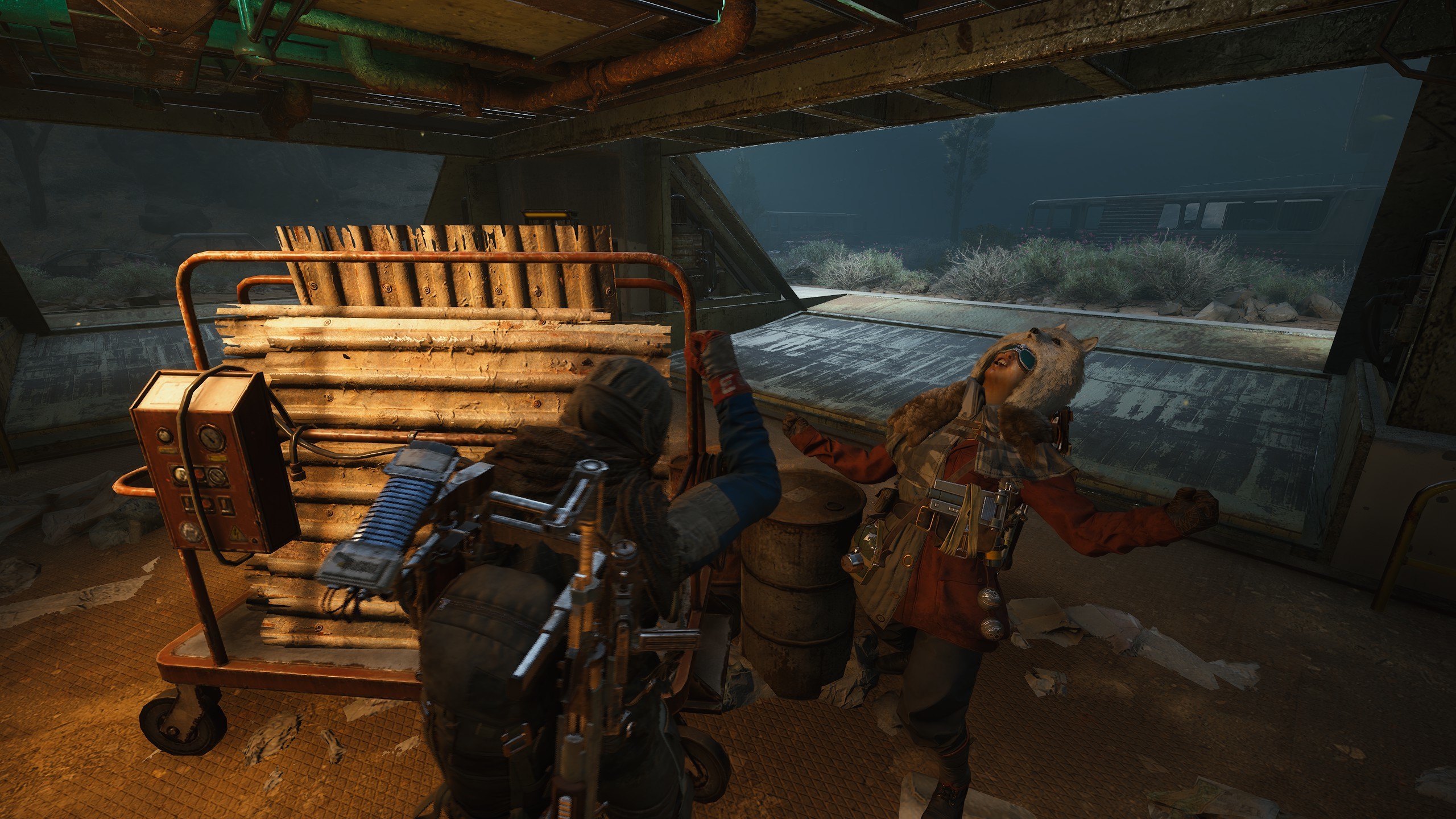
Effective squad discipline in Arc Raiders extends beyond constant verbal communication. True team cohesion thrives on silent signals, pre-established protocols, and intuitive understanding among teammates. For players aiming for fluid movement, coordinated engagements, and a higher level of teamwork, developing silent squad discipline is a reliable framework for success in the Exclusion Zone.
This guide examines how to foster squad discipline efficiently, focusing on clear roles, non-verbal cues, shared movement patterns, and executing coordinated tactics that consistently outmaneuver less synchronized teams.
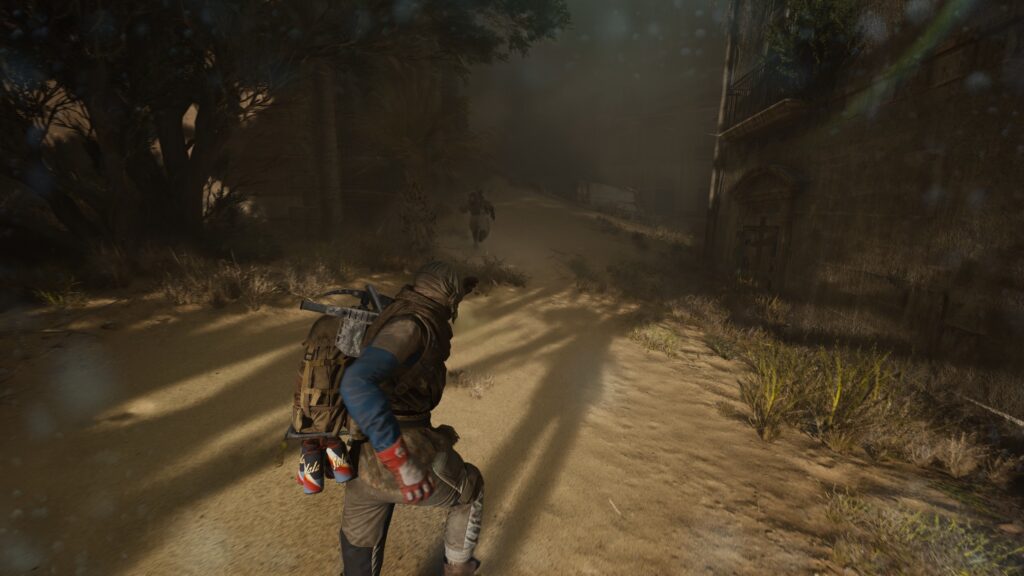
The Power of Non-Verbal Cohesion
Squad play is often hindered by excessive or unclear chatter. While verbal calls have their place, a truly disciplined team operates on a deeper level where actions speak louder. This “silent” cohesion comes from shared experience, mutual understanding of roles, and predictable responses to common situations. It rewards anticipation and synchronized action over constant reactive talking.
This structure encourages efficiency through ingrained habits. Mastery is achieved by minimizing unnecessary chatter, maximizing fluid movement, and executing precise maneuvers, transforming complex engagements into seamless, predictable victories.
Establishing Clear Roles and Responsibilities
Even without constant talking, clear roles are fundamental. Every player should understand their primary function:
- Point (Lead/Scout):
- Primary Function: Navigates, identifies threats, sets pace, initiates engagements.
- Non-Verbal Cues: Pauses (caution); crouching (stealth); specific pings (threats/routes).
- Support (Anchor/Heavy):
- Primary Function: Provides suppressive fire, carries heavy weapons/ammo, denies areas, covers flanks.
- Non-Verbal Cues: Positioning behind Point; laying down fire; deploying cover.
- Flank/Utility (Roamer/Breacher):
- Primary Function: Flanks enemies, carries specialized utility (explosives, healing), covers Point’s blind spots.
- Non-Verbal Cues: Peeling off to the side; using specific pings for flank routes; quick visual confirmation with Point.
- Overseer/Medic (Rear Guard/Strategist):
- Primary Function: Watches the rear, provides long-range fire, handles revives/healing, manages overall tactical picture.
- Non-Verbal Cues: Maintaining distance; marking distant threats; dropping healing items.
This division ensures all tactical bases are covered, and each player knows what is expected of them, even when quiet.
Mastering Silent Movement Formations and Cues
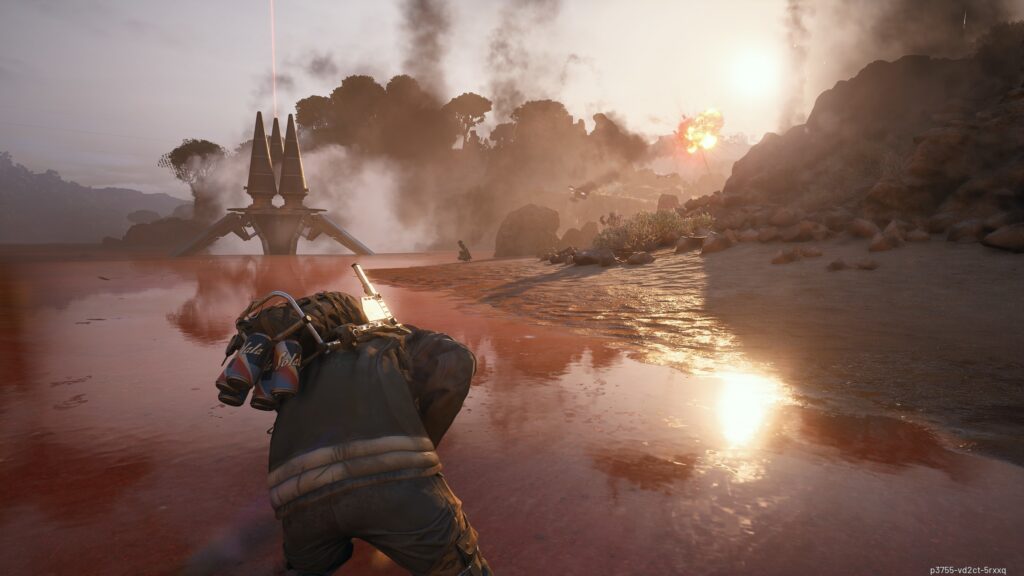
Moving as a single unit without constant calls requires a shared understanding of formations and subtle movements. Optimized movement patterns minimize exposure and allow for rapid, synchronized responses to threats. A well-drilled squad can change formations, initiate stealth, or push an advantage with minimal verbal input.
- Column Formation (Default): Point leads, others follow in line, maintaining spacing. Good for narrow passages. Point’s pace dictates all.
- Line Formation (Crossing Open Ground): Spreading out horizontally for coverage and to reduce splash damage. Others adapt to maintain spacing.
- Wedge Formation (Approaching Danger): V-shape, allowing wide fields of fire and protecting flanks. Point at tip, Supports behind and out.
- Pings for Intent: Use the in-game ping system effectively. A “Danger” ping can also mean “Regroup here” or “Fall back to this cover.” A “Go” ping can signal a push or flank.
- Crouching/Prone: If Point crouches or goes prone, the team mirrors. Universally signals “Stealth, be quiet, danger ahead.”
- Pausing: If Point stops, everyone stops and scans their sectors for threats. A moment for observation.
- Looking at Teammates: A quick glance can be a silent “Are you ready?” or “Follow me” signal for ambushes or delicate maneuvers.
Engaging and Disengaging with Minimal Talk
Critical combat moments often demand the least talk. A disciplined squad reacts to engagements and disengagements instinctively, based on shared tactical principles.
- Initial Contact: Player spotting enemy pings it. Team takes cover, scans, and prepares weapons or utility.
- Focus Fire: When Point fires on a target, others prioritize it if visible. Ensures quick threat elimination.
- Flanking Initiative: A flanker might peel off with a “Go” ping on a route. Team understands they are creating crossfire.
- Falling Back: If Point retreats, squad retreats. Support/Overseer covers rear. A “Danger” ping on the retreat path clarifies intent.
- Revives/Healing: If a teammate goes down, closest Support/Medic revives while others provide cover. Silent understanding of roles.
- Utility Deployment: If a player deploys smoke or a frag grenade, teammates understand the purpose and react accordingly, either pushing through or retreating.
- Target Prioritization: Pre-established rules (e.g., “focus Heavies first”) help effective engagement without verbalizing every target.
Pre-Game Planning and Post-Run Debriefs
The foundation for silent discipline is laid before and reinforced after each run.
- Pre-Game Loadout Sync: Discuss loadouts for complementary weapons, utility, and shared consumables.
- Role Assignment: Clearly define primary and secondary roles.
- Contingency Plans: Briefly discuss responses to common scenarios: “If separated, link up at X.” “If extraction is hot, fall back to Y.”
- Post-Run Debriefs: Discuss what worked and what could improve. Focus on non-verbal communication successes and failures.
Conclusion: Squad Discipline as Collective Mastery
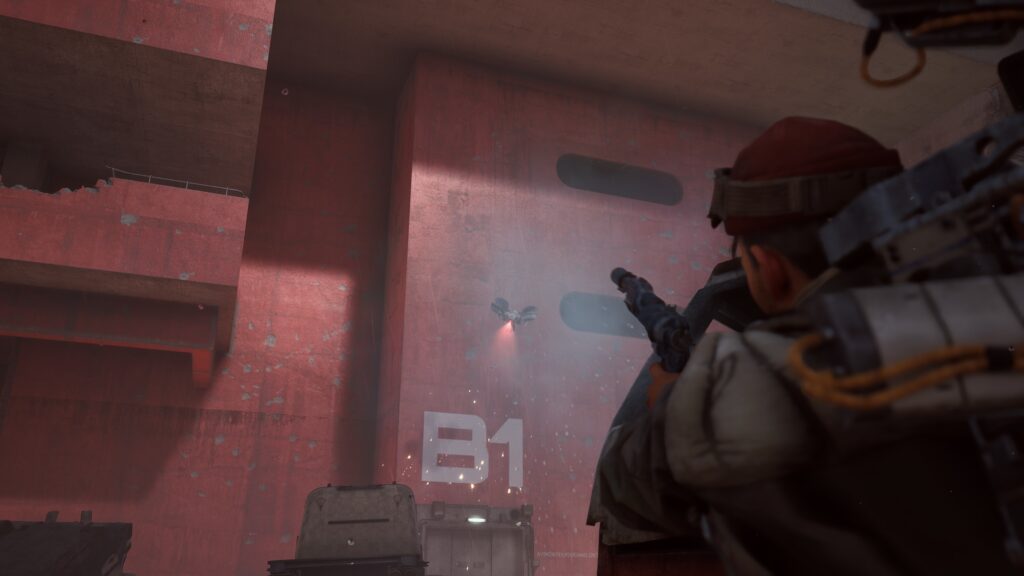
Squad discipline in Arc Raiders rewards consistency, thoughtful preparation, and seamless teamwork. By establishing clear roles, understanding non-verbal cues, and practicing coordinated movements, teams can transform chaotic encounters into successful ventures.
Well-executed squad discipline is a long-term mastery system, offering steady rewards, deep strategic satisfaction, and the undeniable advantage of facing the Exclusion Zone as a truly unified force. A disciplined squad isn’t just individuals; it’s a single, formidable fighting unit that moves as one, without needing constant chatter.

Leave a Reply