
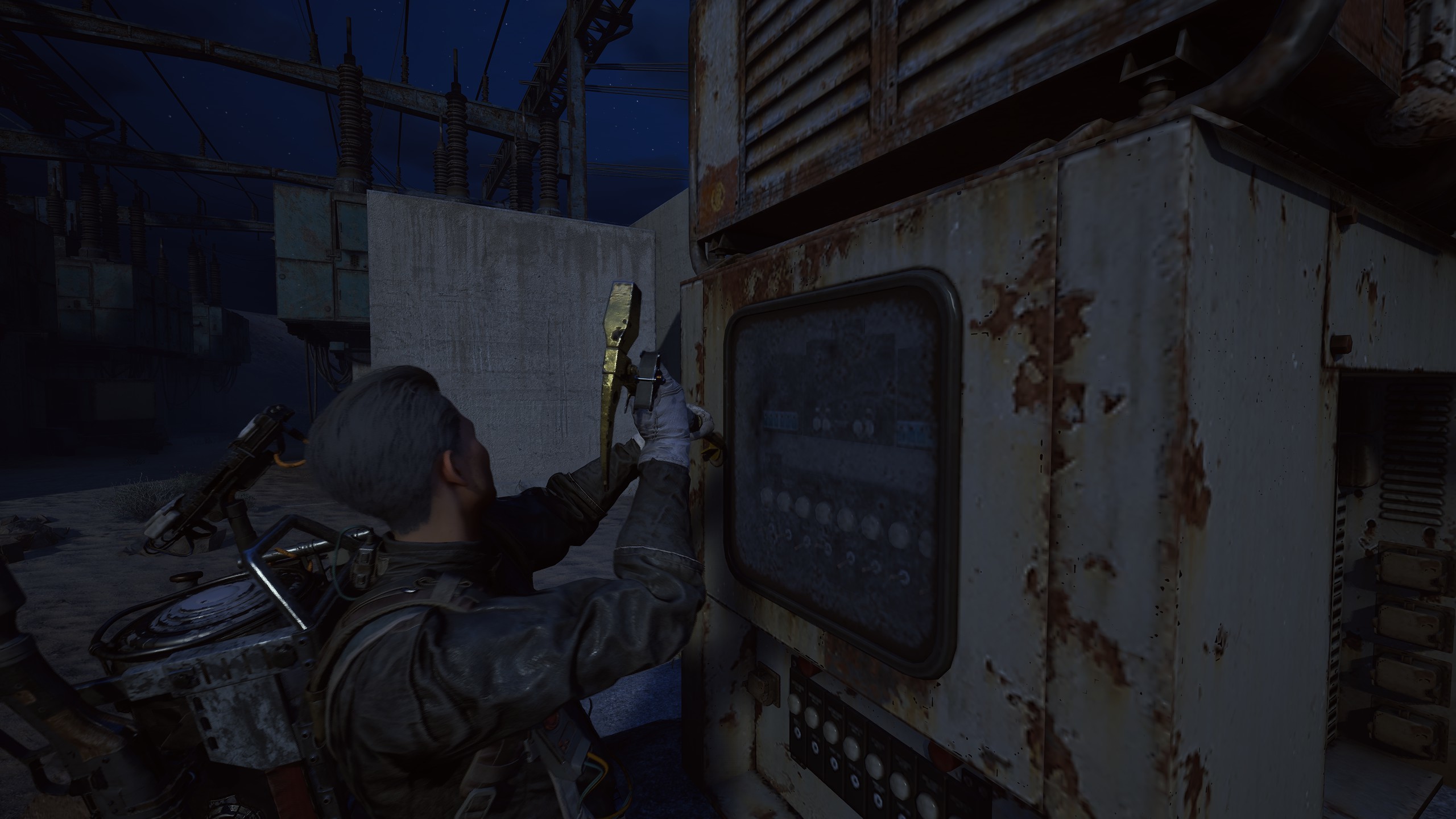
Mastering line of sight (LOS) manipulation in Arc Raiders is a distinct mechanical progression path that allows you to outplay superior shooters. In the high-stakes world of extraction combat, the person who controls what the enemy can see is the person who controls the engagement. For players aiming to survive ambushes and reset losing duels, developing a LOS-based playbook forms a reliable framework for mastery. It is about understanding that “breaking vision” is a more powerful defensive tool than the thickest armor.
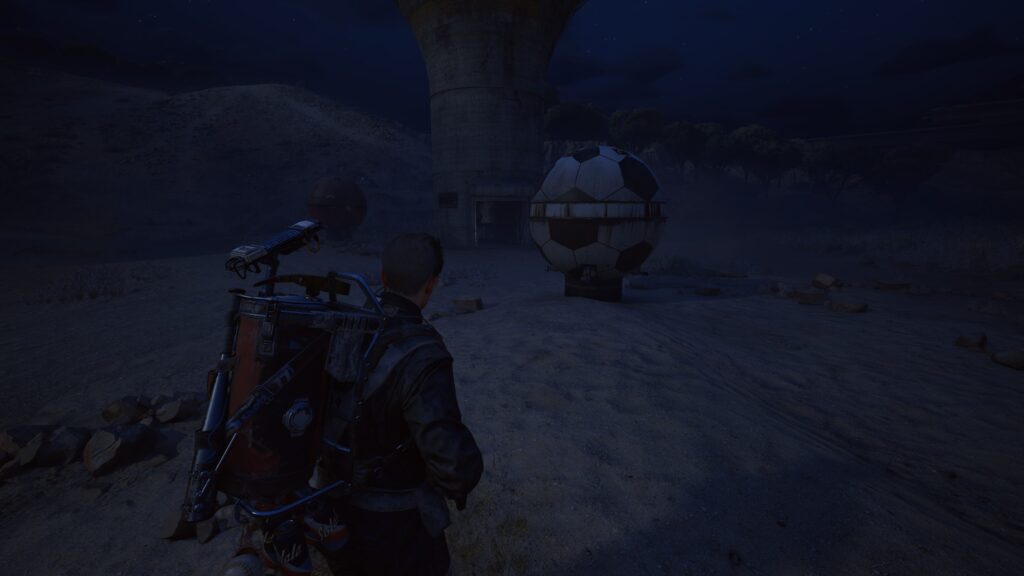
This guide examines how to approach movement-based evasion efficiently, focusing on the “micro-break” technique, the logic of “visual noise,” and the strategic importance of using the environment to disrupt enemy tracking and aim assist.
The Logic of Visual Disruption
Aiming in Arc Raiders is a combination of player skill and, in many cases, mechanical tracking or aim assist. Both of these rely on a continuous, unobstructed view of the target. LOS tricks are deterministic strategies designed to “break” this continuity. By momentarily disappearing behind a pillar, a tree, or even a piece of debris, you force the enemy’s brain (and the game’s assistance mechanics) to re-calculate your position. This “reset” provides you with a micro-window to heal, reload, or change your trajectory.
LOS manipulation is about more than just hiding; it is about “information denial.” If an enemy cannot see your silhouette, they cannot predict your next move. By constantly weaving in and out of the environment, you transform your movement from a predictable line into an erratic series of visual “teleports.” This makes you an exhausting target to track and often causes the enemy to over-extend or panic-spray, giving you the opportunity to strike back from an unexpected angle.
Core Tactics: The “Pillar-Loop” and Silhouette Masking
To use LOS to your advantage during a duel, you must master these fundamental evasion habits:
- The Pillar-Loop: During a close-range fight, do not back up. Instead, circle a vertical piece of cover like a pillar or a crate. By constantly placing an object between you and the enemy’s barrel, you force them into a “tracking race” that they will eventually lose, allowing you to reload while they miss.
- Silhouette Masking: Move against dark backgrounds or complex textures. Avoid “skylining” yourself against the horizon where your silhouette is perfectly clear. If you look like part of the environment, the enemy’s reaction time is significantly slowed.
- The “Low-High” Break: Break LOS at head-height (behind a wall) and then immediately crouch or prone. When the enemy re-acquires their sightline, they will pre-aim where your head *was*, giving you a split-second to fire at their legs or chest while they adjust.
Using “Visual Noise” and Utility
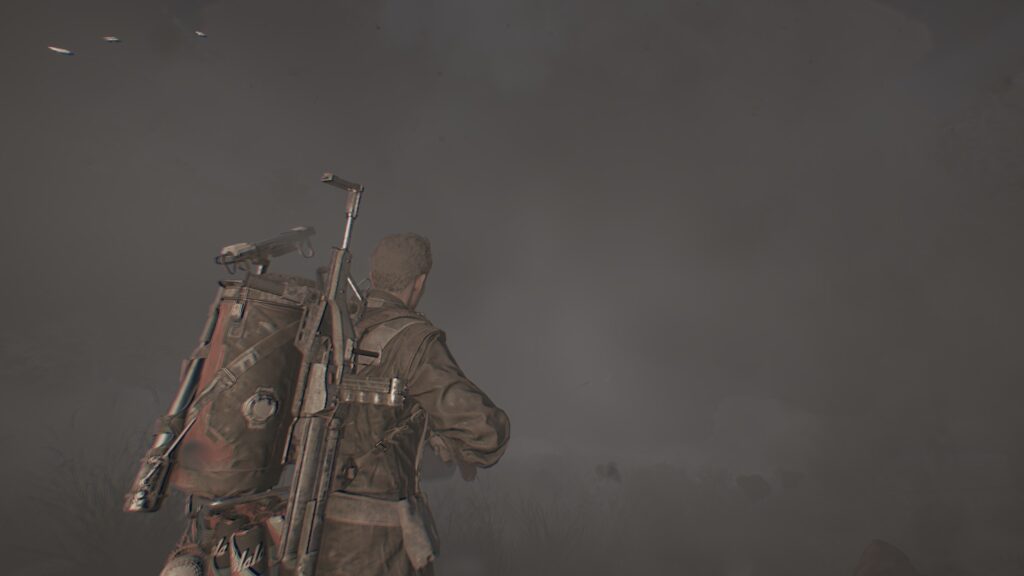
You can create your own line-of-sight breaks using the environment and utility. Smoke grenades are the most obvious tool, but you can also use “environmental noise” like explosions, falling debris, or even the sparks from a hit machine. By moving through these “messy” visual areas, you make it much harder for the enemy to lock onto your precise character model. You are effectively “hiding in plain sight” by overwhelming the enemy’s visual processing power.
This also applies to “Depth Perception” tricks. Moving directly away from an enemy is easy for them to track. Moving laterally (side-to-side) while weaving behind obstacles is significantly harder. A master raider uses the environment to create a “visual gauntlet” for the enemy. They don’t just run for the exit; they run through the most cluttered, complex path available to ensure the enemy’s line of sight is broken at least three times per second. Mastery of this kinetic evasion is what allows a raider to survive even the most desperate ambushes.
The Psychological Reset: Disappearing in Combat
The most powerful effect of a LOS break is the “Psychological Reset.” When an enemy is shooting at you and you suddenly disappear, their focus shifts from “Attack” to “Search.” This is the moment you win the fight. By breaking LOS for just two seconds, you can perform a “U-turn” or an “Off-Angle Pivot.” When the enemy rounds the corner expecting to see your back, you are already waiting for them from a new position. You have stolen the initiative by simply managing what they were allowed to see.
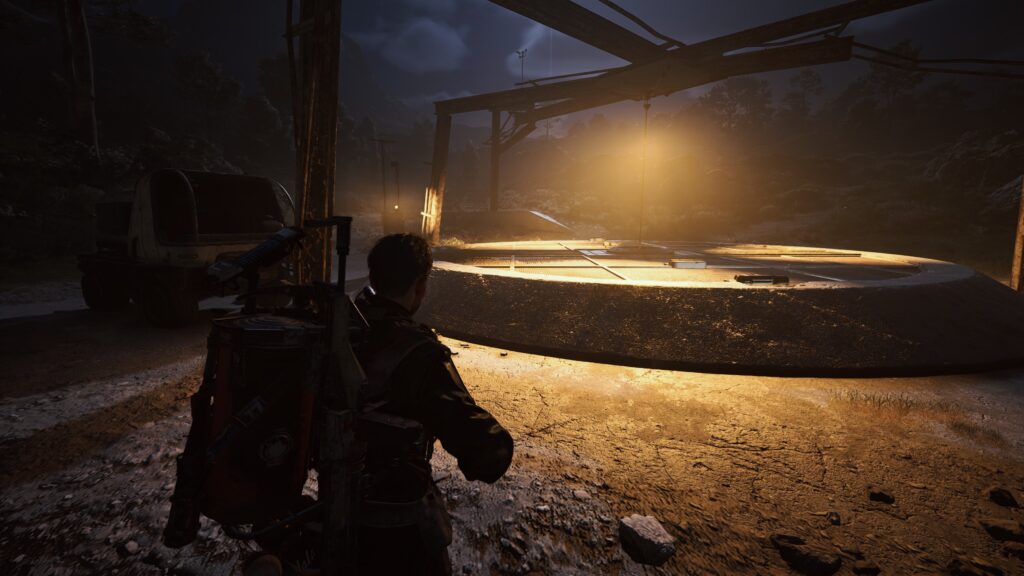
Integrating these LOS habits into your daily routine ensures that you stop being a “stat-check” target and start being a “skill-check” opponent. You stop dying to better guns because those guns never get a clean shot at you. By mastering the art of the visual break, you turn the Exclusion Zone into a space where you are always in control of your own visibility. Hide, weave, and strike; the person who controls the sightline controls the raid.
Conclusion: Evasion Through Geometry
Line of sight mastery rewards the agile and the observant. By treating the environment as a visual shield and intentionally breaking the enemy’s tracking continuity, you transform your survivability. Integrating these evasion habits into your routine ensures that you remain an elusive force in the Exclusion Zone, providing a stable path to victory through superior environmental manipulation.




Leave a Reply