
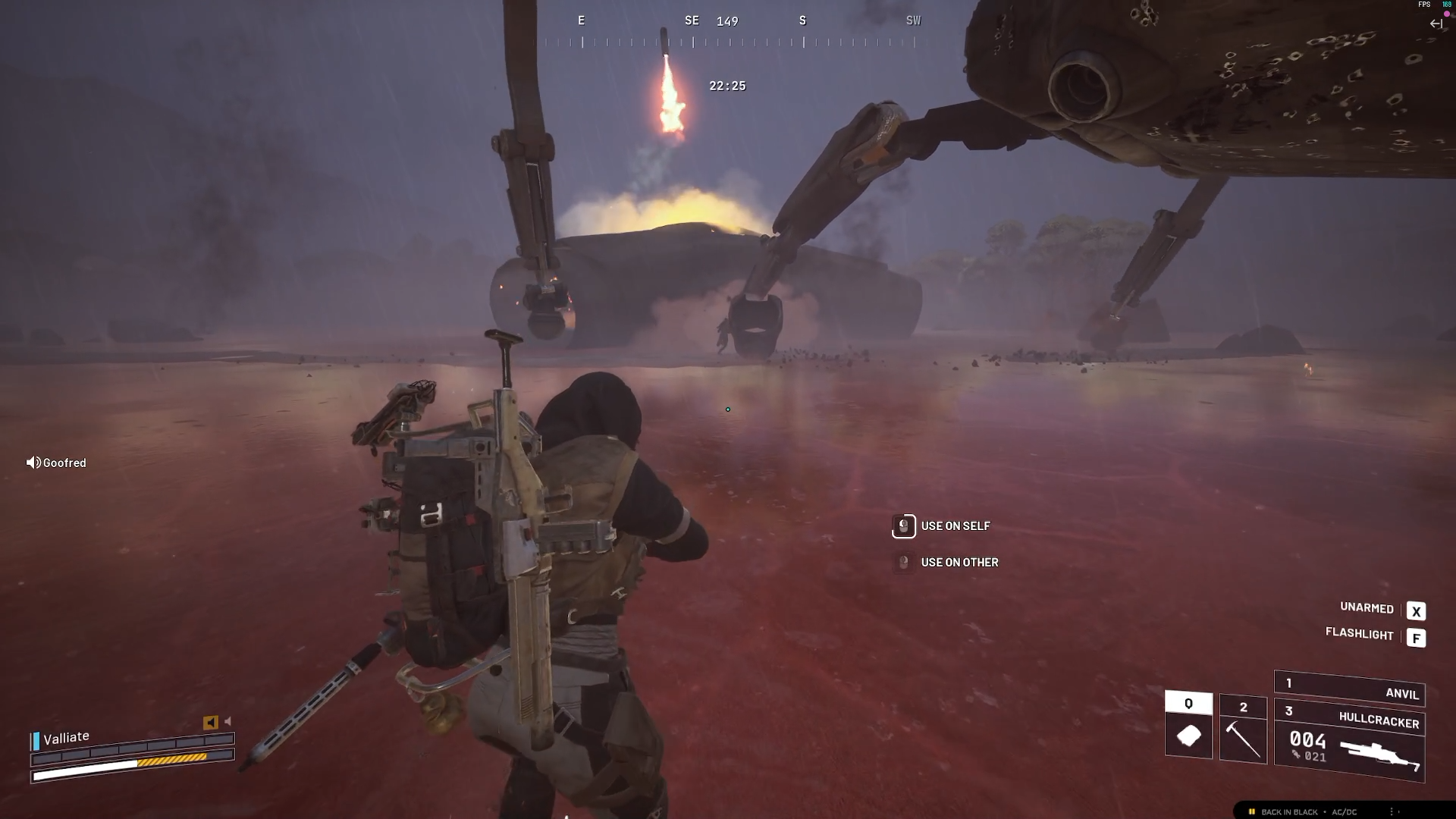
In the ever-expansive world of Azeroth, the Deep Ruins stand as a testament to the perilous adventures that await the most daring adventurers. These ancient caverns, steeped in mystery and danger, are home to lucrative treasures that can greatly enhance your gameplay experience. However, with great rewards come significant risks, as the Ruins are teeming with formidable foes, deadly traps, and environmental hazards. This guide aims to equip you with essential strategies for successful looting while minimizing your risk of instant death. By understanding the mechanics of the area and employing tactical gameplay, you can emerge victorious with your spoils intact.
Understanding the Layout and Mechanics of the Deep Ruins
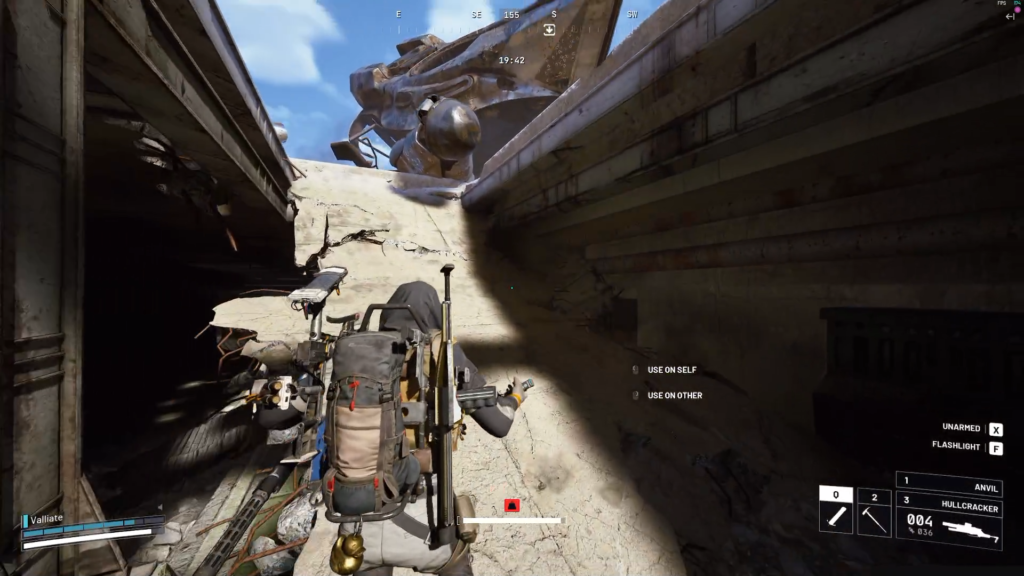
Before venturing into the Deep Ruins, it is crucial to familiarize yourself with the layout and mechanics of the area. The Ruins are divided into multiple zones, each presenting unique challenges and enemy types. Players must navigate through tight corridors and open chambers filled with traps that can inflict massive damage. Key mechanics include environmental hazards such as spike traps and collapsing ceilings, which can be avoided with proper positioning and awareness. Additionally, the aggro mechanics of the enemies are vital; understanding how to control aggro can prevent overwhelming encounters. Always be aware of your surroundings and use Line of Sight (LoS) to manipulate enemy behavior during exploration.
Optimal Group Composition for Looting
Forming a balanced group is fundamental for tackling the challenges presented in the Deep Ruins. A well-rounded team typically includes a tank to absorb damage, healers to maintain the party’s survivability, and DPS (damage per second) players to efficiently eliminate threats. Each class brings unique abilities that can turn the tide of battle; for instance, a Rogue can disarm traps while a Mage can provide crowd control via Polymorph. Here’s a quick overview of an optimal group composition:
| Role | Class Examples | Key Abilities |
|---|---|---|
| Tank | Warrior, Paladin | Shield Wall, Divine Shield |
| Healer | Druid, Priest | Rejuvenation, Holy Word |
| DPS | Mage, Hunter | Fireball, Aimed Shot |
Timing and Coordination of Engagements
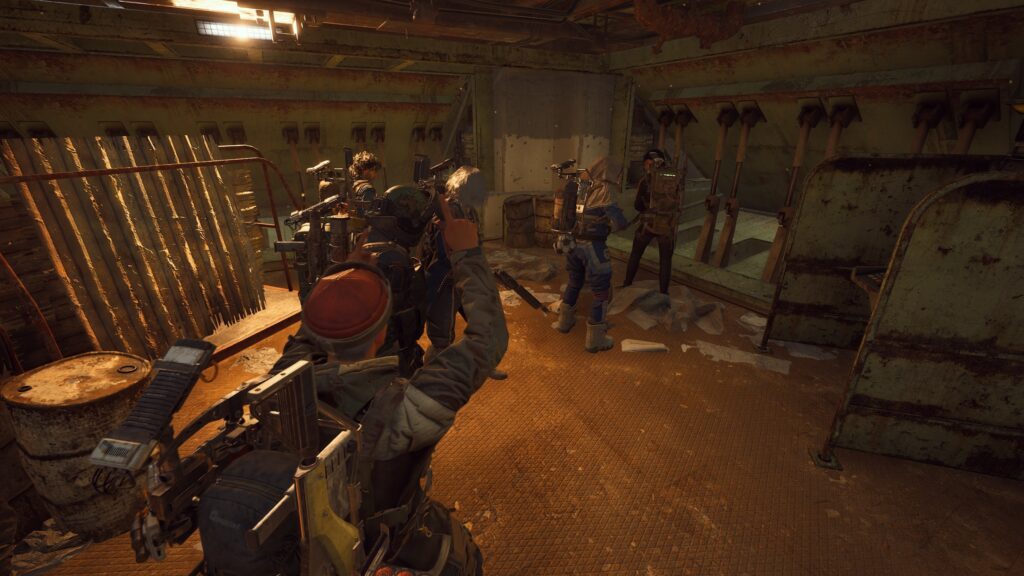
Timing is critical when engaging enemies within the Deep Ruins. Many mechanics rely on precise coordination to avoid unnecessary wipes. Players should always communicate through voice chat or in-game macros to signal when to engage or retreat. Utilize the cooldowns of your abilities wisely, ensuring that major defensive or offensive cooldowns are available during critical moments. For example, popping cooldowns just before triggering a trap can be a lifesaver. Additionally, employing crowd control abilities at the right moment can prevent a single enemy from becoming a lethal threat. Always have an escape route planned, especially when fights are going south.
Looting Strategies: Maximizing Gains While Minimizing Risks
Once you’ve successfully navigated the dangers of the Deep Ruins, the next challenge is looting the treasures scattered throughout. It’s essential to prioritize your targets based on the risk versus reward of each item. Consider using the following strategies to improve your looting efficiency:
- Prioritize high-value chests over minor loot sources.
- Take turns looting to minimize exposure to enemy respawns.
- Utilize stealth or invisibility potions to scout ahead before looting.
- Assign a designated looter to prevent chaos during loot distribution.
Dealing with Environmental Hazards and Traps
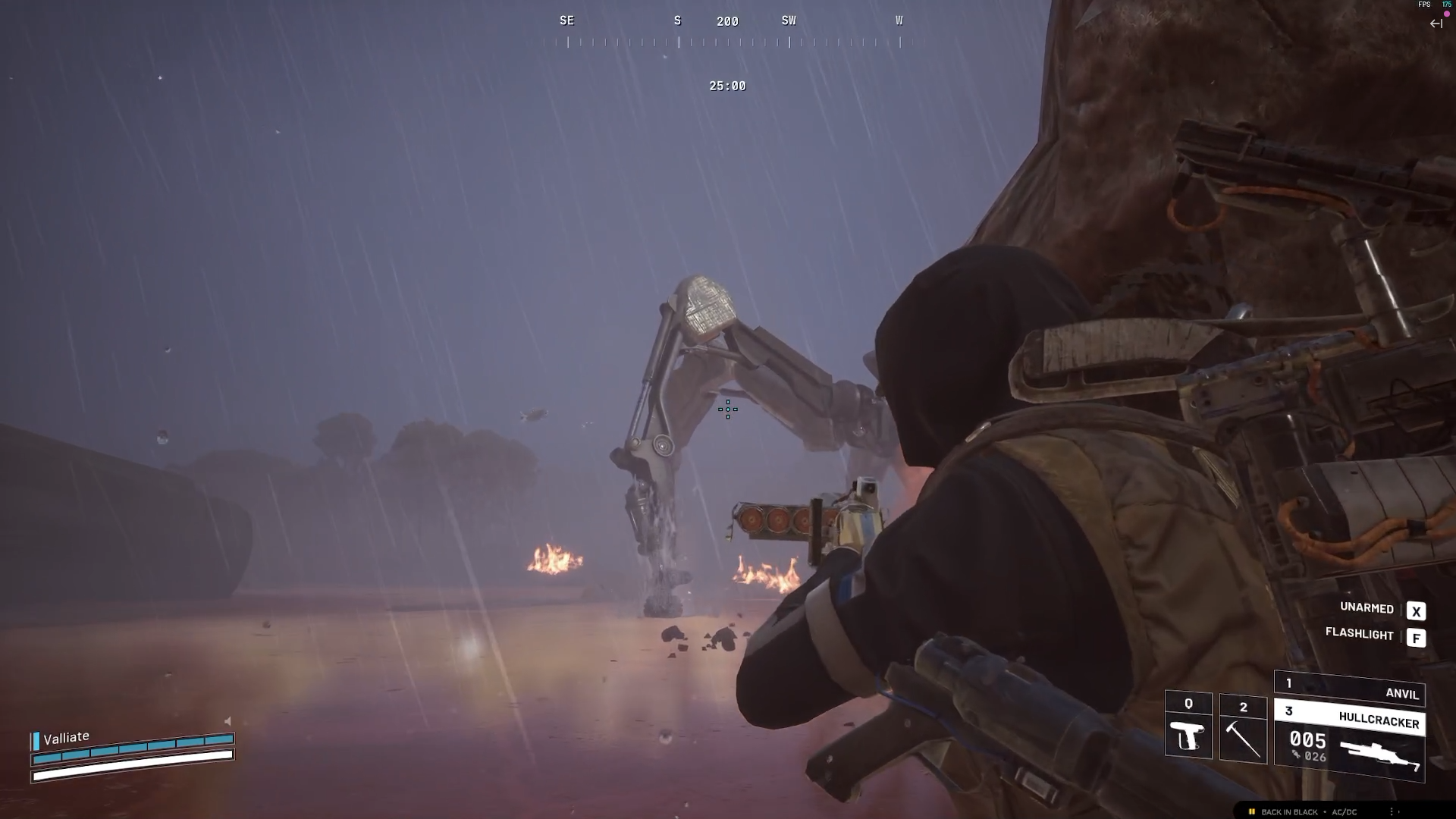
Environmental hazards and traps are a constant threat in the Deep Ruins. Players must remain vigilant and observant to avoid these lethal obstacles. A common strategy is to send in a scout, preferably a class with high mobility or stealth capabilities, to trigger traps before the main party engages. Classes like Rogues excel in this role due to their ability to disarm traps. Moreover, using abilities that grant temporary invulnerability or immunity can provide crucial moments to safely navigate through hazardous zones. Remember, patience is key; rushing into areas without assessing potential dangers can lead to quick deaths and costly wipes.




Leave a Reply