

Enemy detection ranges in Arc Raiders quietly dictate how close encounters should begin. These invisible thresholds determine when enemies react, reposition, or escalate, long before combat feels intentional.
Players who ignore detection ranges often find themselves fighting on unfavorable terms. Survival improves when engagement distance is chosen with awareness of how far attention truly extends.
Why Detection Is the Real Engagement Trigger
Combat does not start with gunfire—it starts with detection. Once enemies register presence, they begin adjusting position, calling support, or narrowing approach paths.
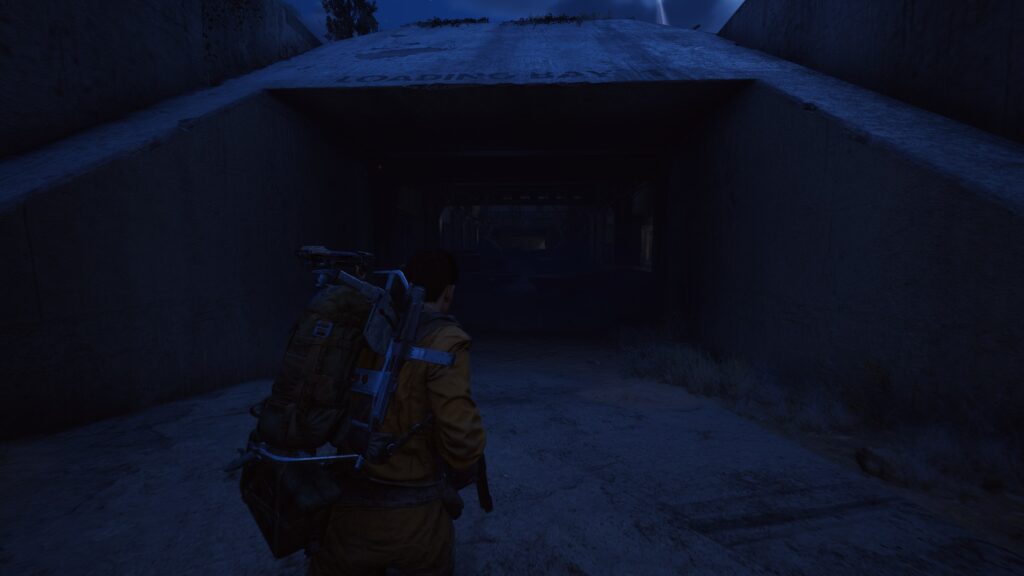
Players who drift into detection range unintentionally surrender control before the first shot. Survivors treat detection distance as the true boundary, shaping movement to decide when and how attention is drawn.
Distance as a Control Mechanism
Engagement distance determines tempo. Fighting too close removes reaction time and invites overlap, while engaging too far often extends exposure and noise. Survivors select distance that limits escalation while preserving exits.
This balance keeps encounters contained rather than explosive. Distance becomes a tool for shaping enemy behavior instead of reacting to it.
Detection Drift and Accidental Escalation
Many engagements begin accidentally. Gradual movement, repeated peeks, or careless traversal slowly crosses detection thresholds without a clear moment of commitment. Players are surprised when enemies react aggressively, assuming escalation was sudden. Survivors recognize detection drift early and reset position before attention locks in.
Mistakes That Collapse Distance Control
Certain behaviors repeatedly undermine engagement spacing.
- Closing distance without confirming patrol coverage
- Holding mid-range positions for too long
- Assuming visual contact equals detection
- Ignoring how sound extends detection range
These mistakes surrender initiative before combat begins.
Why Awareness Preserves Engagement Choice
Understanding detection ranges preserves choice. Survivors decide when to draw attention, when to probe, and when to disengage entirely. This awareness keeps encounters intentional rather than reactive.

Control comes from managing when enemies notice you, not from winning after they do.
Conclusion
Enemy detection ranges in Arc Raiders shape engagement distance by defining when control is lost or maintained.
Players who respect these thresholds choose better fights and avoid forced escalation. Survival improves when distance is managed deliberately instead of discovered through surprise. In hostile environments, awareness begins before contact.



Leave a Reply